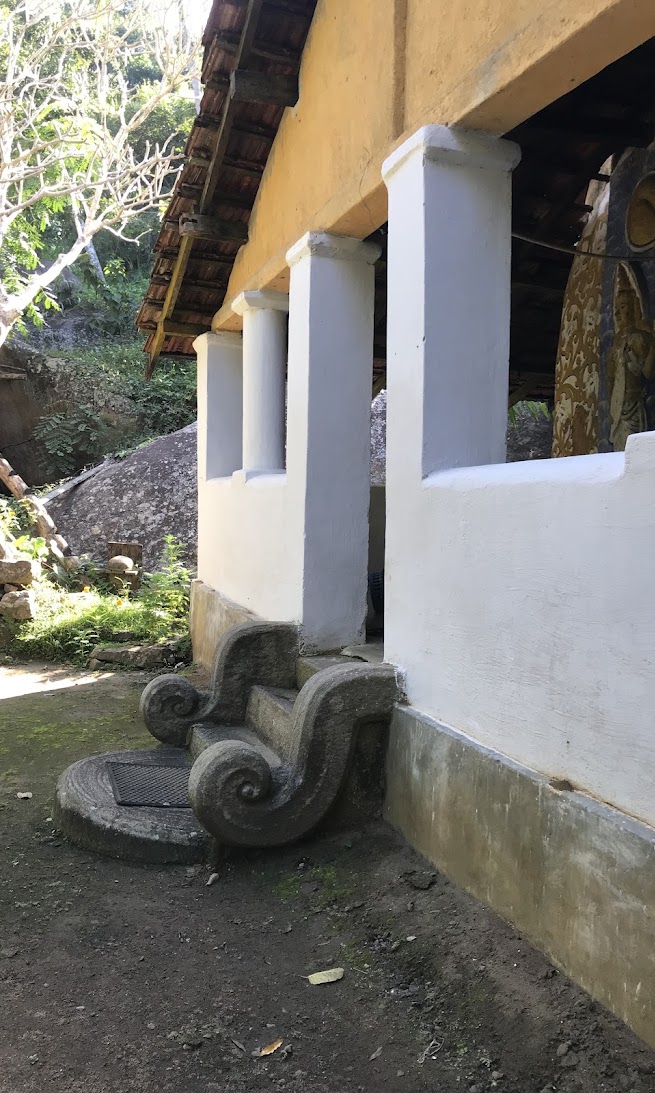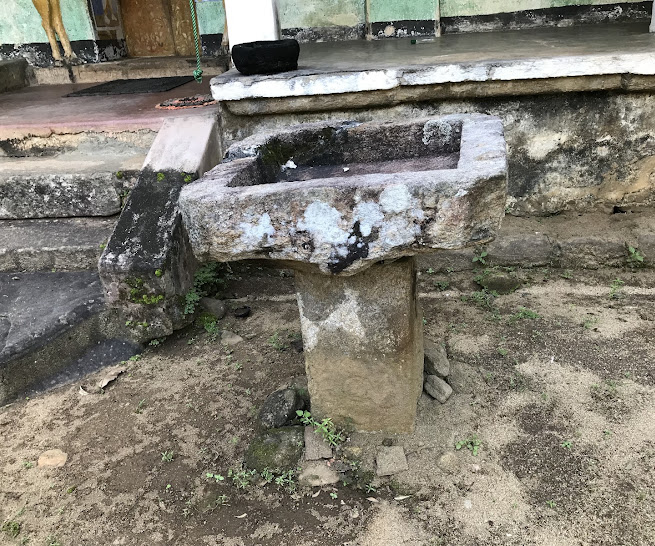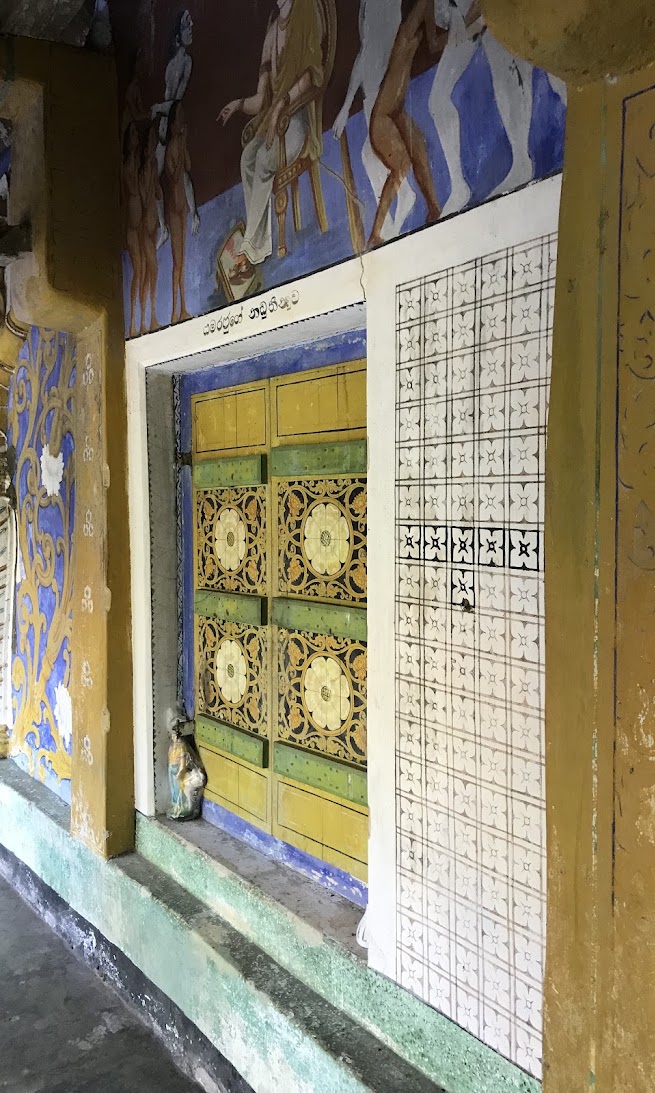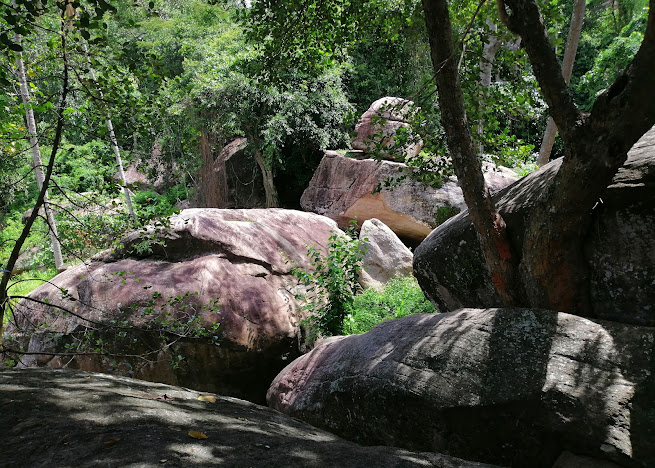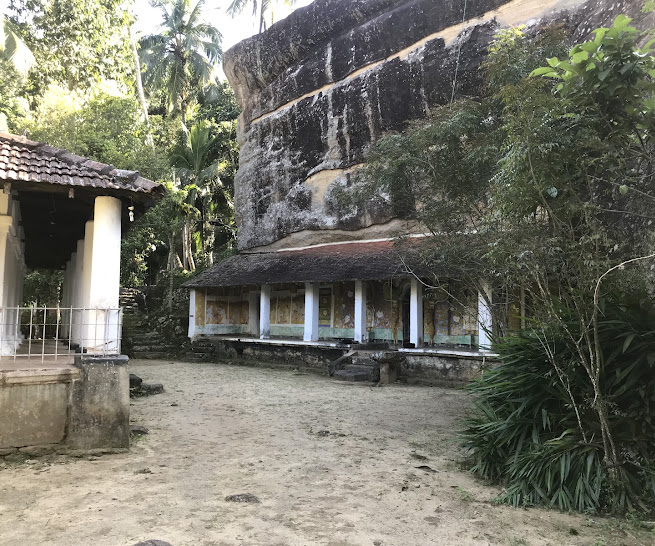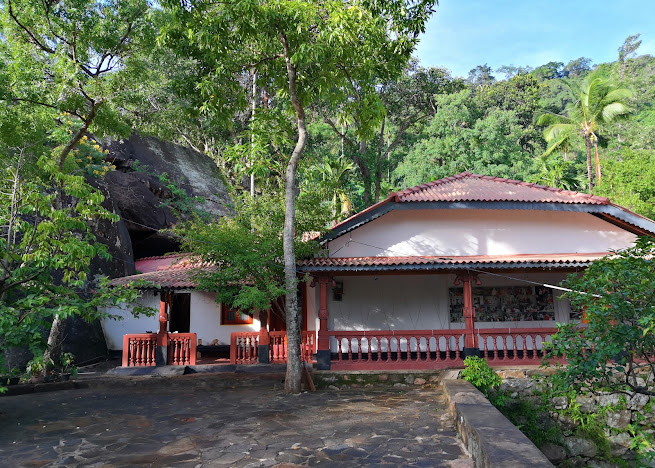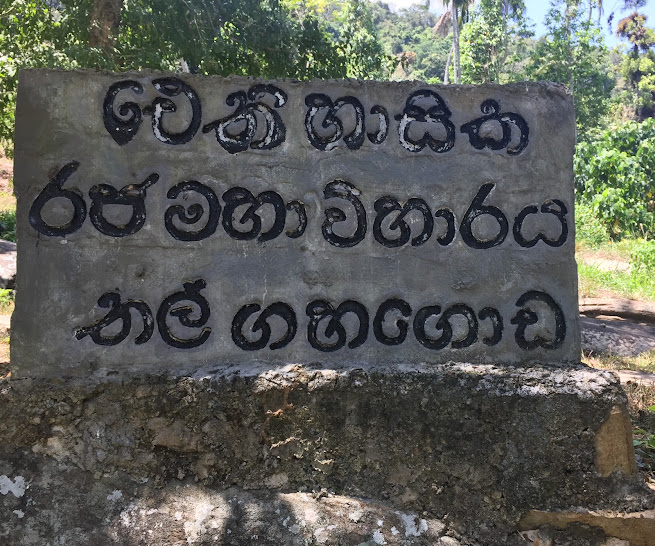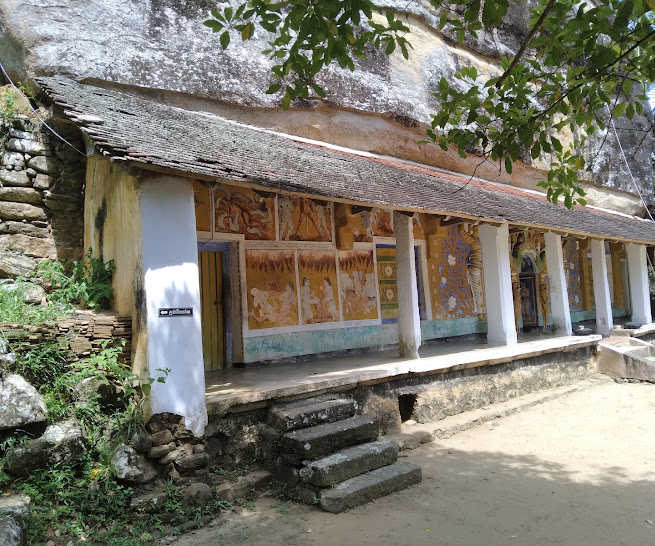

Thalgahagoda Rajamaha Viharaya is located in the Matale District of the Central Province, Sri Lanka.
Daily 6 AM – 6 PM
Free
Steeped in royal legend and cloaked in serene wilderness, Thalgahagoda Rajamaha Viharaya is one of Matale’s best-kept historical secrets. Far away from the standard tourist crowds, this ancient cave temple complex offers travelers a profound journey through Sri Lanka’s monastic history, spanning from the Anuradhapura era to the Kandyan Kingdom.
Key Highlights & What to See;
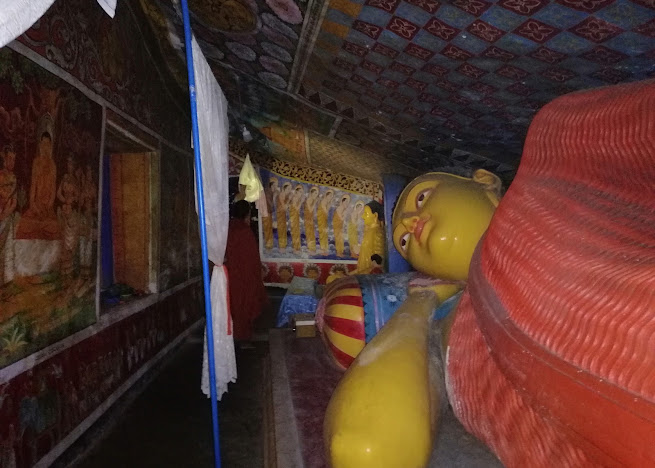
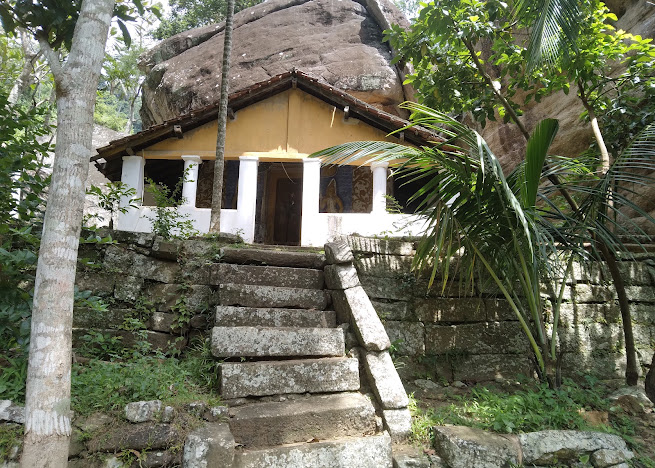
The Lower Temple (Palle Viharaya): Inside this tranquil cave shrine lies a majestic reclining Buddha statue, beautifully restored during the Kandyan era. The rock ceilings are adorned with vibrant, intricate murals reminiscent of the famous Dambulla Cave Temple, depicting celestial worlds and traditional Buddhist cosmology.
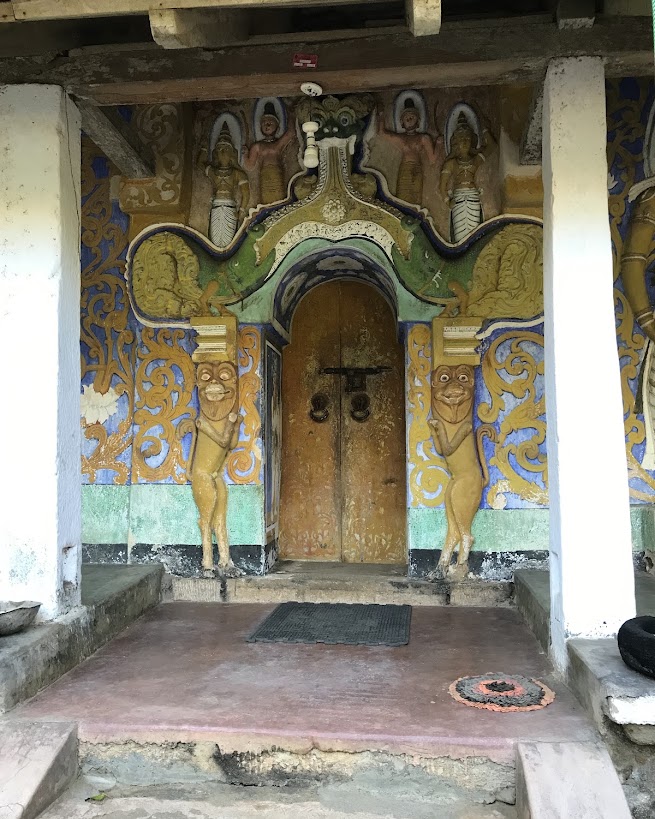
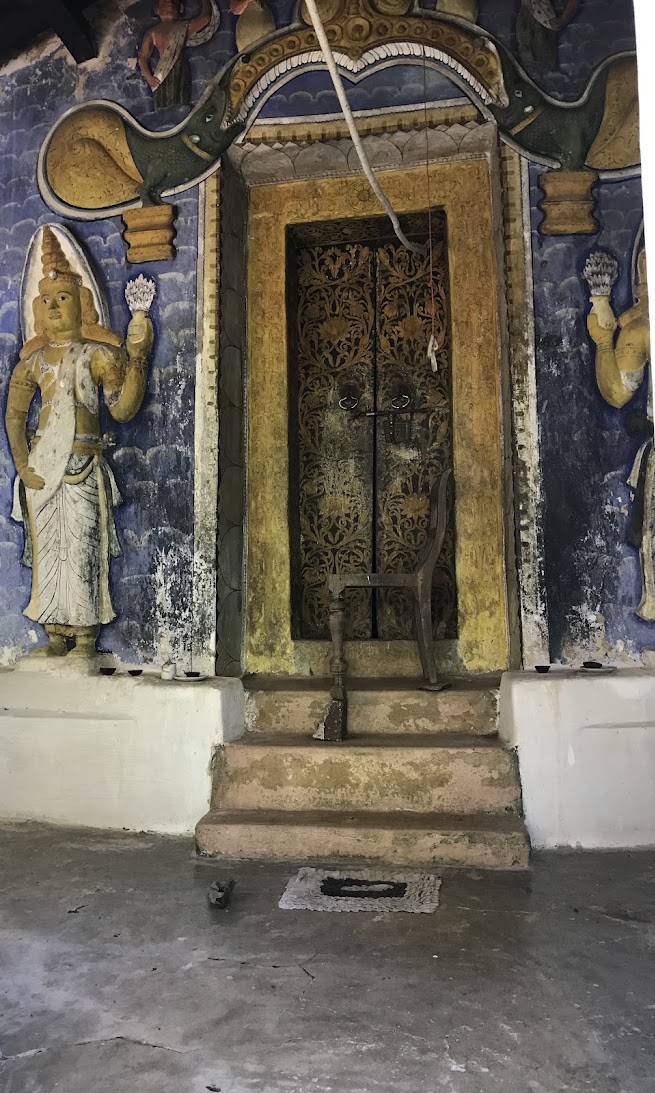
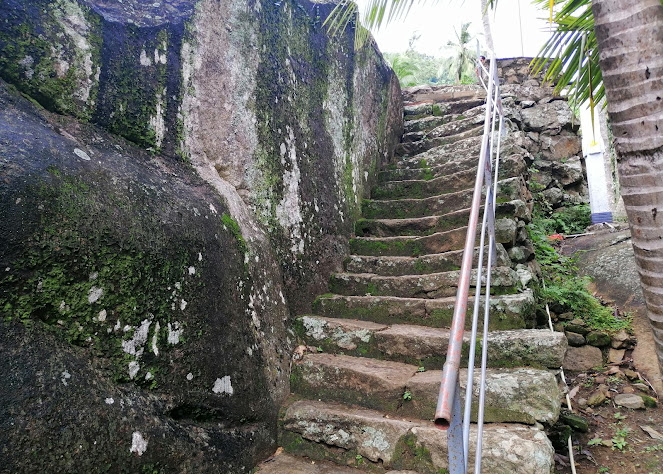
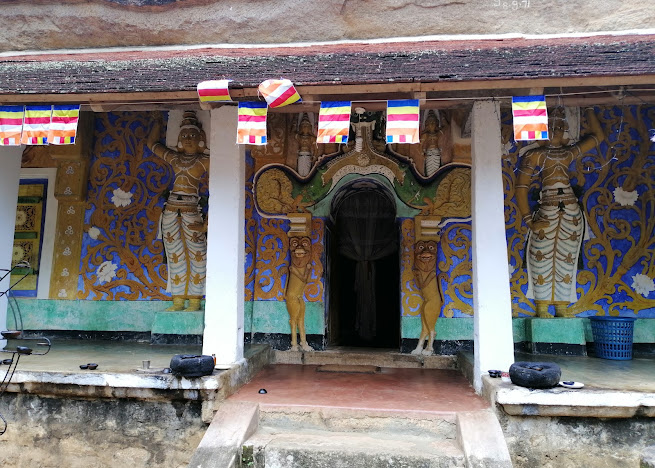
The Upper Temple (Uda Viharaya): Perched higher up the rock face, this shrine houses an ancient standing Buddha statue flanked by Samadhi and standing images. Look closely at the entrance to admire the exquisitely carved Makara Thorana (Dragon Arch), a classic hallmark of Kandyan-era architectural craftsmanship.
The Royal Legend of Queen Asgiri: Local folklore ties this sacred site to Queen Chandravathi (famously known as Asgiri Deviya) during the Ga Kandyan periods. The surrounding lands, nearby waterfalls like Biso Ella, and the temple’s ancient Devalaya (shrine) dedicated to the deities Natha and Saman are deeply intertwined with her tragic and heroic stories.
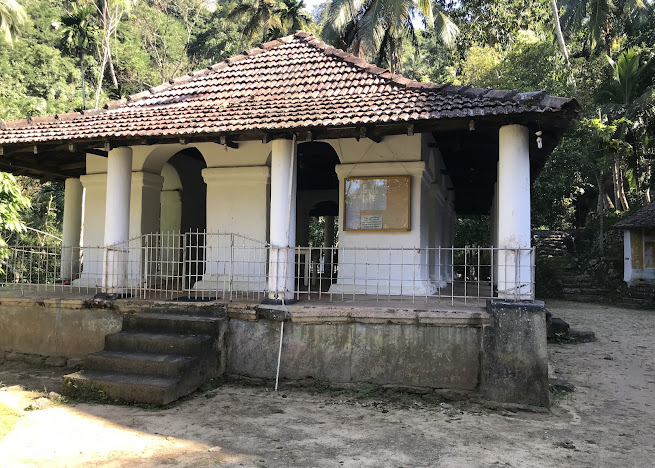
The Historic Preaching Hall (Bana Maduwa): Located along the approach to the temple, this traditional wooden pavilion—known as the Kethwelle Dharma Shalawa—was built in 1930 by the local chieftain Dullave Third Adikarama. Historically used for both religious sermons and community dispute resolutions, it stands today as a beautiful monument to community heritage.